



A beautiful building may begin with an idea, but to turn that idea into reality, The new material is the deciding factor in how it is presented. As AI in architecture increasingly involved in the design process, the way architects search for, experiment with, and select materials is also changing.
So, what new possibilities is AI opening up for materials in architecture? Let’s explore the details with Hoa Giang in the article below.
Nội dung chính
- 1 How is AI being applied in architecture?
- 2 How does AI in architecture support material exploration?
- 3 AI expands creative capabilities rather than replacing architects.
- 4 Decorative stainless steel – A material incorporated into many design options by AI.
- 5 Hoa Giang – A leading supplier of high-end decorative stainless steel in Vietnam.
- 6 Conclude
How is AI being applied in architecture?
The diversity of materials makes the selection process increasingly complex.
Today, architects have access to a wide variety of materials, from wood, stone, and glass to various metals, composites, and many new finishing materials.

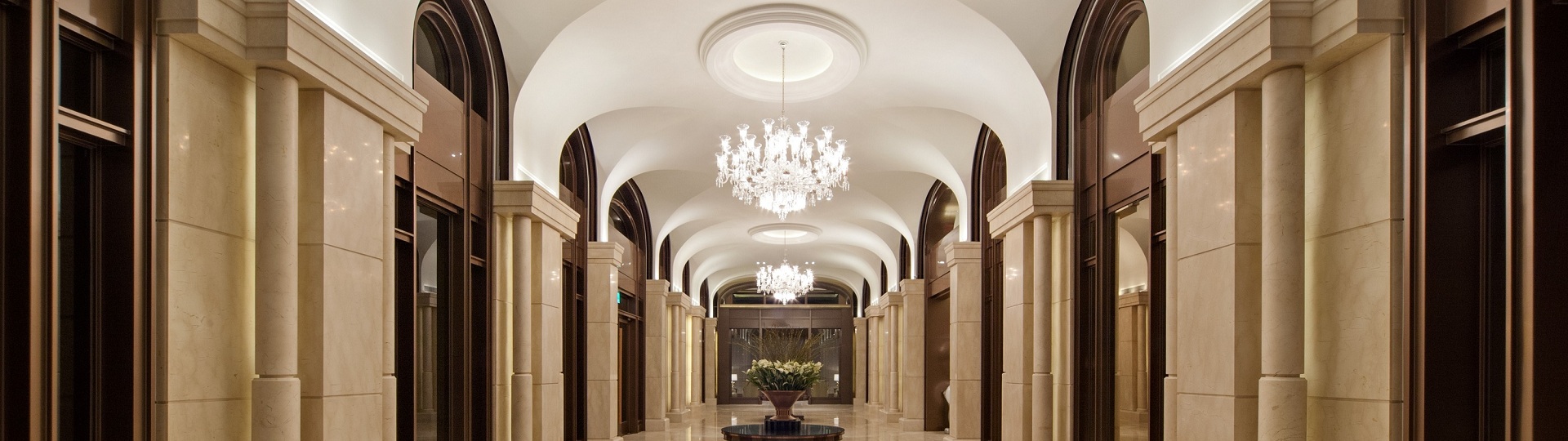
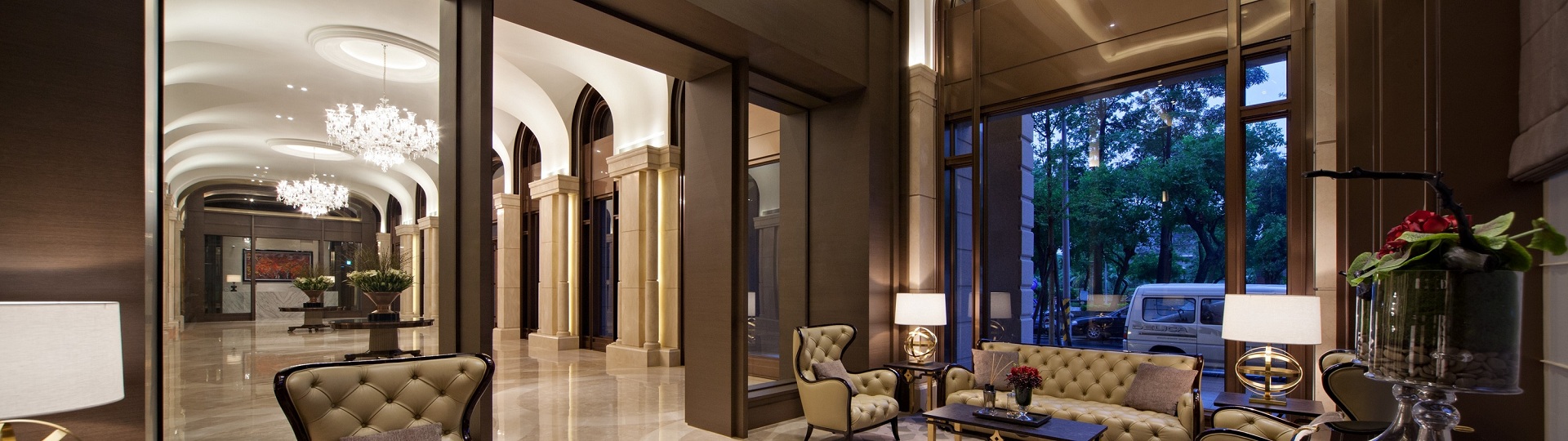
The interior design incorporates a variety of materials.
Even within a single material group, the choices can be divided into many variations. For example, decorative stainless steel can be treated with various colors and surfaces such as mirror finish, hairline brushed finish, or sandblasted finish. Each option creates different light reflection capabilities, visual perceptions, and spatial effects.
A material needs to meet multiple criteria simultaneously.
In a project, materials may need to meet the following requirements simultaneously:
- Matches the architectural style.
- Meets requirements in terms of color and aesthetics.
- It has a durability suitable for its intended application.
- Ensure machinability and installation capabilities.
- Fits within budget.
- Easy to maintain during use.
- It has a lifespan suitable for the structure.
- Meeting environmental and sustainability requirements.
AI has the ability to process and synthesize multiple sets of information in a short period of time, thereby assisting architects in narrowing down their options.
AI this helps shorten the search and testing process.
Instead of having to search for each option individually, architects can use AI to develop multiple approaches from an initial concept.

AI supports the development of multiple approaches from an initial concept.
How does AI in architecture support material exploration?
Expanding material options from a design idea.
AI It has the ability to transform an initial idea into multiple visual alternatives.
From a concept like “minimalist space with metallic accents,” architects can develop it in many different directions:
- Dark metals combined with natural stone.
- Champagne-colored stainless steel combined with glass.
- Gold-colored stainless steel combined with wood.
- Mirror-finish stainless steel surfaces create a reflective effect.
- The brushed stainless steel surface creates a more refined and understated feel.
AI In architecture, it helps to simulate the color and surface texture of materials.
Decorative materials, colors, and surfaces have a significant impact on the perception of a space.

Simulating the color and surface texture of materials.
AI It can help simulate those options in spatial imagery, allowing architects to visualize them more quickly:
- Color of the material.
- Level of shine.
- Reflection effect.
- The contrast between the materials.
- How materials blend into the overall architecture.
AI in architecture supporting comparison of multiple options
AI It can also help systematize the process of comparing materials based on multiple criteria.
Instead of simply asking “which material looks better?”, the evaluation process can be expanded to include:
- Which material is suitable for this application?
- Which material is more durable?
- Which option fits the budget?
- Which material is easier to maintain?
- Which option best suits the machining requirements?
- Which material has a more suitable life cycle?
Shifting from subjective choices to choices based on multiple criteria makes the design process more grounded.
AI expands creative capabilities rather than replacing architects.
AIAI helps architects quickly create and test various design options, especially in visualizing material combinations and shaping initial ideas. However, a beautiful image alone does not guarantee feasibility in practice. Architects still play a role in evaluating materials, structures, construction details, budget, and maintenance. Therefore, the value of AI lies not in replacing architects, but in its ability to expand the creative space, giving architects more choices and allowing them to focus more on decisions that require expertise and practical experience.
Decorative stainless steel – A material incorporated into many design options by AI.
With its ability to quickly simulate various styles and spatial arrangements, AI helps architects easily experiment with decorative stainless steel in different concepts. From gold, champagne, and black stainless steel to surfaces such as mirror finishes, hairline brushed finishes, or sandblasted finishes, AI can help visualize how the material will change the overall appearance of the building.

AI includes multiple design options
However, the simulated image is only the first step in the material selection process. When put into practice, architects still need to consider color, surface finish, durability, workability, and suitability for each specific application. This is where the combination of AI tools, design thinking, and materials expertise helps transform a visual idea into a feasible stainless steel solution for the project.
Hoa Giang – A leading supplier of high-end decorative stainless steel in Vietnam.
With nearly 20 years of experience in the stainless steel industry, Hoa Giang has partnered with thousands of projects both domestically and internationally, notably luxury real estate projects and high-end constructions requiring high-quality finishes.
Hoa Giang owns a large-scale factory, proactively managing its production and processing capabilities, meeting the demands of large-scale projects as well as specific technical and aesthetic requirements.


Hoa Giang Stainless Steel Factory
The product range is diverse, focusing on stainless steel solutions for architectural and interior design applications, with a wide selection of colors, finishes, and specifications.
Beyond simply supplying materials, manufacturing and processing capabilities also play a crucial role in transforming design ideas into tangible products.
Conclude
AI This is creating a new approach to the material selection process in architecture. From idea generation and color and surface simulation to comparing multiple options, this technology makes the material testing process faster and more flexible.
In the future, the combination of AI, architectural expertise, and execution capabilities will open up new avenues for materials design.
Looking for decorative stainless steel solutions for your project? Contact Hoa Giang for advice on suitable materials, colors, surfaces, and processing solutions.
HOA GIANG STAINLESS STEEL
Facebook: Hoa Giang Stainless Steel Group
Hotline: 0918311491 – 0949805203


