


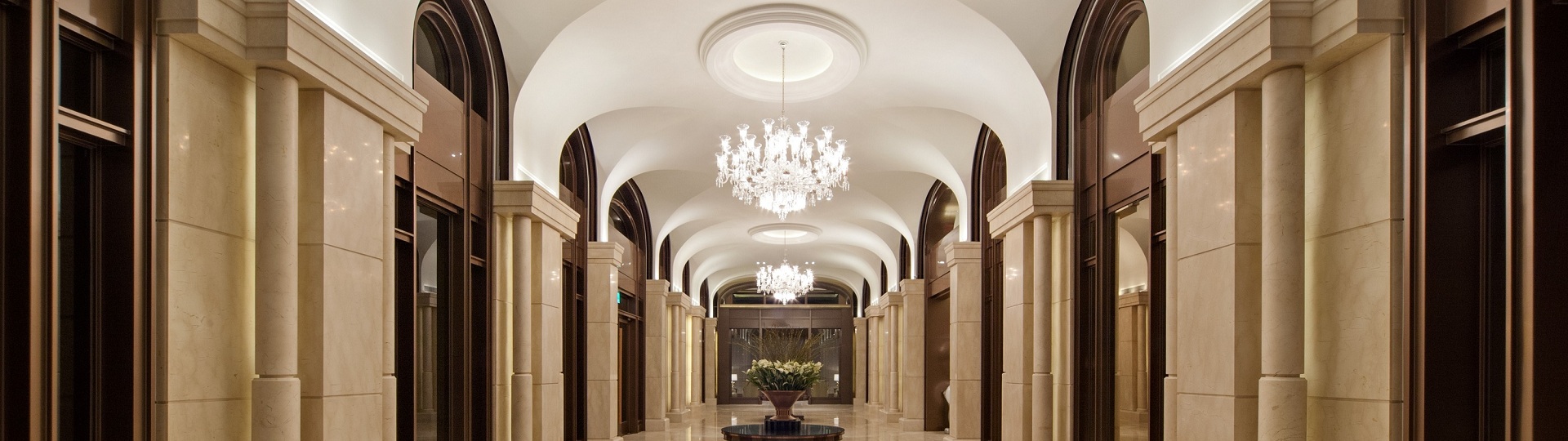
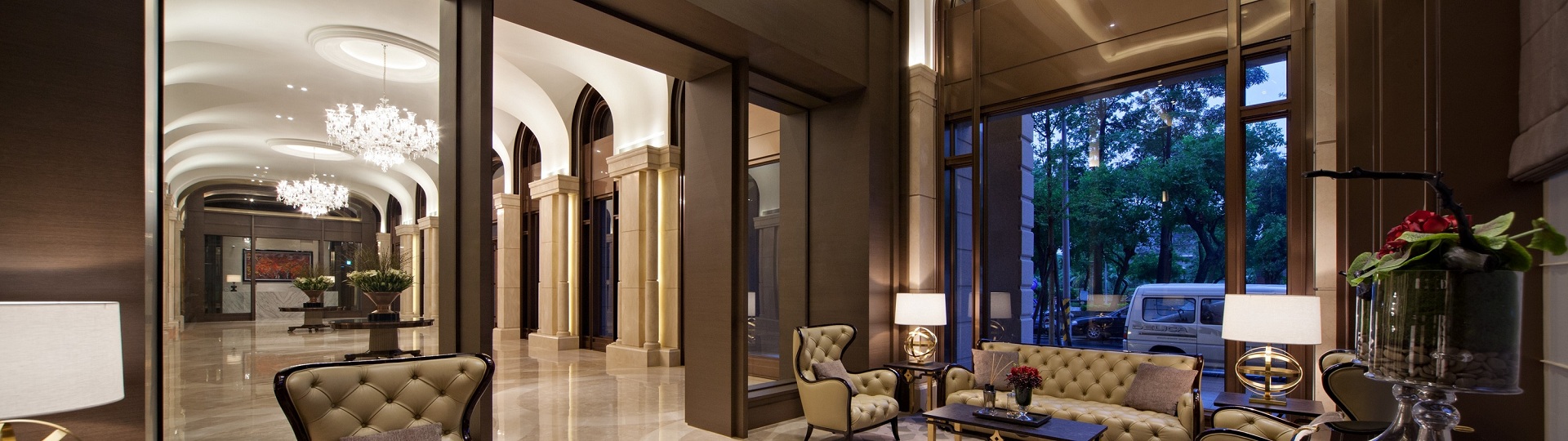
Feng Shui Interior Design Harmony isn’t just about choosing items according to your birth element or arranging them according to fixed rules. Harmony also comes from the way you combine things composition, lighting, color, and materials in the same space. So how can we incorporate feng shui into design naturally while still ensuring its effectiveness? functionality and aesthetics?
Nội dung chính
- 1 What is feng shui interior design?
- 2 5 principles of feng shui interior design.
- 3 Colors in Feng Shui Interior Design
- 4 How should materials be chosen in feng shui interior design?
- 5 Decorative stainless steel in interior design according to feng shui principles.
- 6 Applying feng shui principles to interior design in different spaces.
- 7 FAQ about Feng Shui Interior Design
- 8 Hoa Giang – A leading supplier of high-end decorative stainless steel in Vietnam.
- 9 Conclude
What is feng shui interior design?
Feng Shui Interior Design is the way of organizing and selecting elements in a space based on feng shui principles regarding direction, energy flow, color, shape, and balance.
In modern design, feng shui should not be separated from functionality. A good space should first and foremost be convenient to use, well-ventilated, have appropriate lighting, and a clear layout. Feng shui elements can be considered as an additional frame of reference in the design process.
Therefore, instead of looking for an item or material that is supposedly “feng shui-friendly,” you should look at…overall space and the relationships between elements.
5 principles of feng shui interior design.
1. Keep the space well-ventilated.
Prioritize clear pathways, reasonable open spaces, and minimize furniture that obstructs movement. An open layout creates a comfortable feeling and aligns with feng shui principles regarding the free flow of energy.
2. Balancing the light
Natural and artificial lighting should be appropriately distributed for each area. Spaces that are too dark can feel heavy, while overly bright light can cause glare and negatively impact the user experience.

Interior design according to feng shui principles to balance light.
3. Harmonious color distribution
Colors can be chosen based on the five elements, but a single color should not be selected solely based on one’s birth element. The balance between background color, main color, and accent color remains crucial in design.
White, gray, and metallic shades are often associated with the Metal element; green with Wood; blue and black with Water; red, orange, and pink with Fire; and yellow, brown, and beige with Earth.
4. Intentional combination of materials
Wood, stone, glass, metal, or fabric all evoke different feelings. Combining them appropriately helps to prevent the space from feeling monotonous or overly dominated by a single material.

Combining materials intentionally
With Feng Shui Interior Materials Therefore, it is important to consider color, surface texture, proportion, and placement simultaneously, rather than evaluating a single material in isolation.
5. Balancing feng shui, functionality, and aesthetics.
Feng shui should not make a space inconvenient or disrupt the design language. A suitable choice should simultaneously meet functional requirements, durability, aesthetics, and overall harmony.
Colors in Feng Shui Interior Design
Color is often a key factor to consider when making a choice. Feng Shui Interior Design According to the Five Elements theory, each color group is associated with a specific element. However, this does not mean that the entire space must use colors corresponding to one’s birth element.

Colors in Feng Shui Interior Design
In design, colors should be allocated according to their role:
- Background color: It creates a visual basis for the entire space.
- Main color: Shaping style and emotions.
- Accent color: It creates depth and is visually appealing.
This approach allows feng shui elements to be incorporated into the design more naturally.
Stainless steel color and how to create accents
Decorative stainless steel is available in a wide range of colors such as silver, gray, gold, champagne, bronze, or black. Each color creates a different feel and can be coordinated with the overall color scheme of the project.
For example, silver and gray stainless steel are suitable for modern, minimalist spaces; gold or champagne stainless steel creates a more luxurious and warmer feel; and black stainless steel provides contrast and depth.
How should materials be chosen in feng shui interior design?
Materials not only determine durability but also directly influence the color, light, and feel of a space.
When choosing materials, four main factors can be considered:
- Color: Does it fit with the overall color scheme?
- Surface: Is it glossy, matte, or textured? How reflective is it?
- Proportion: Are the materials used as a background or merely as accents?
- The combination: Does the material harmonize with wood, stone, glass, and other elements?
This approach is particularly useful when using metal materials in interior design. Instead of viewing metal as a standalone, adjustable feng shui element, it’s about considering it as a separate, independent feng shui element color, surface, and usage ratio to match the design.
Decorative stainless steel in interior design according to feng shui principles.
Stainless steel is a metal material with many color and surface finish options. Therefore, when incorporating stainless steel into…Feng Shui interior designThe key factors to consider are not only the nature of the metal but also how the material interacts with light and surrounding elements.
Mirror-finish stainless steel – creating a reflective effect.
Mirror surfaces have a high gloss finish, which helps reflect light and create a luxurious, spacious feel. However, they should not be used excessively or placed in locations that receive direct sunlight to avoid glare.
Hairline Stainless Steel – restrained and refined
Scratch The airline design features evenly spaced scratches on the surface, creating a softer light effect than the mirror finish. This is a suitable choice for modern spaces that need a focal point but don’t want an overly striking surface.
Colored PVD-coated stainless steel – flexible in color options.
PVD technology allows for the creation of various finishes such as gold, champagne, bronze, or black. This enables stainless steel to be flexibly combined with the color palette and style of each project.

Black stainless steel in kitchen interior design
Patterned stainless steel – adding a touch of elegance to your space.
Patterned stainless steel It can be applied to partitions, decorative walls, or interior elements that need to create a focal point. The patterns, proportions, and colors are chosen to suit the overall design, helping the stainless steel surface harmonize with the space instead of creating a heavy or disjointed feeling.
Applying feng shui principles to interior design in different spaces.
Living room
The living room should prioritize an open layout, convenient walkways, and a balance of materials. Stainless steel can be used as an accent on the TV wall, decorative wall panels, or other interior details.

The living room interior features a harmonious combination of materials.
Bedroom
The resting space should prioritize a sense of calm and stability. If using highly reflective materials like mirror stainless steel, choose appropriate locations and avoid creating direct reflections into the resting area.
Lobby and transition area
The lobby is a place where decorative materials can be showcased effectively. PVD stainless steel, hairline finishes, or mirror finishes can be combined with stone, wood, and lighting systems to create focal points and enhance brand recognition.
Restaurants, hotels, and upscale spaces
For projects with high aesthetic demands, materials need to be selected consistently in terms of color, surface finish, and usage ratio. Decorative stainless steel can be applied in lobbies, walls, columns, elevator areas, or interior details.
FAQ about Feng Shui Interior Design
What is feng shui interior design?
Feng shui interior design is the arrangement and selection of interior elements based on concepts of direction, energy flow, color, shape, and balance in space.
Should you choose furniture according to your zodiac sign?
While the five elements can be considered when choosing colors and materials, they shouldn’t be the sole criterion. Functionality, aesthetics, and overall harmony should still be prioritized.
Are metal materials suitable for feng shui interior design?
Metals are often associated with the Metal element in the Five Elements theory. However, the degree of compatibility depends on color, proportion, surface texture, and how they are combined with other materials.
Is stainless steel suitable for feng shui interior design?
Stainless steel can be used in feng shui interiors if chosen appropriately to suit the overall design. Color, surface finish, and application location are more important than evaluating the stainless steel in isolation.
What constitutes good feng shui for a house?
A house with good feng shui is generally understood to be a space. Spacious, balanced, well-lit, and with a logical layout., creating a comfortable feeling for the user. Besides traditional feng shui elements such as house orientation, location, and airflow, interior design should also ensure functionality, convenience, and harmony between colors, light, and materials.
Hoa Giang – A leading supplier of high-end decorative stainless steel in Vietnam.
With nearly 20 years of experience, Hoa Giang has partnered with thousands of projects both domestically and internationally, especially luxury real estate projects, hotels, shopping malls, and high-end constructions.
With its large-scale factory and specialized production and processing capabilities, Hoa Giang is able to meet the demands of projects requiring high volume, tight deadlines, and precise finishing.
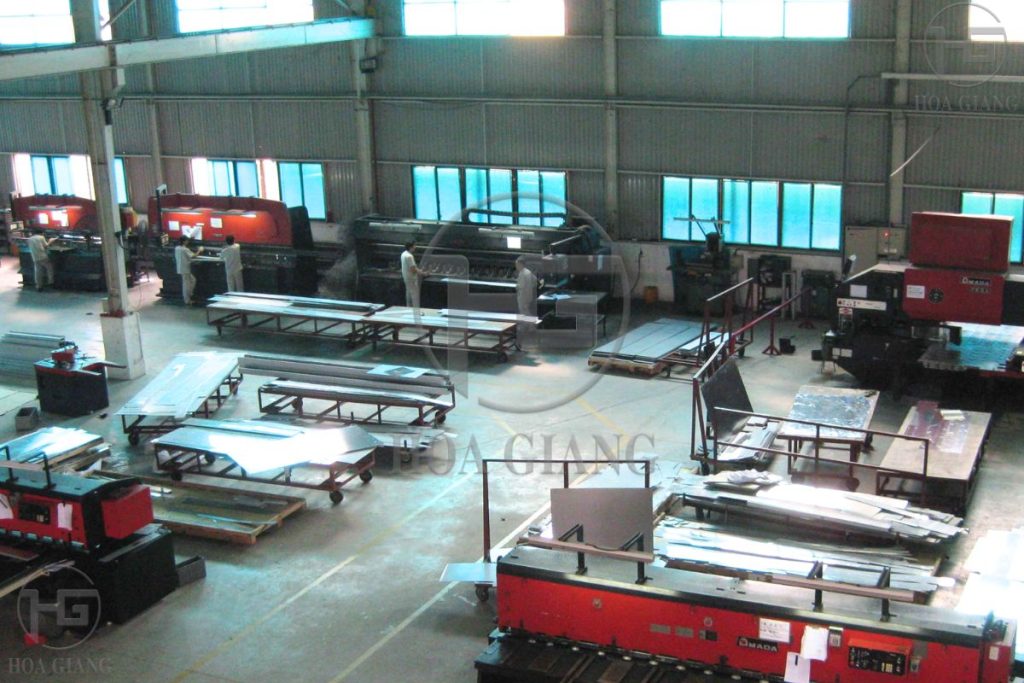
Hoa Giang Stainless Steel Factory
Hoa Giang offers a wide range of decorative stainless steel materials and application solutions for both interior and exterior use. Each solution is selected and perfected according to the architectural characteristics, aesthetic requirements, and scale of each project.
Conclude
Feng shui interior design doesn’t necessarily have to follow rigid rules. When layout, lighting, colors, and materials are considered in harmony, feng shui can become a natural part of the design, ensuring both functionality and aesthetics.
For decorative stainless steel, the important factor is not whether the material is “feng shui-compatible,” but rather the color, surface texture, proportions, and how it is applied within the overall space.
Contact Hoa Giang to choose the right decorative stainless steel solution for your project.
HOA GIANG STAINLESS STEEL
Facebook: Hoa Giang Stainless Steel Group
Hotline: 0918311491 – 0949805203


