


Colored stainless steel is increasingly popular in architecture, interior design, and high-end projects due to its luxurious and modern appearance. However, before deciding to use it, many people have questions: Do colored stainless steel fade in color? This article by Hoa Giang will help you understand the nature of colored stainless steel, the reasons why the surface discolors, and how to choose and maintain it to keep its color beautiful for a long time.
Nội dung chính
- 1 What is colored stainless steel?
- 2 Do colored stainless steel pieces fade in color?
- 3 Why do colored stainless steel pieces fade or lose their color?
- 4 Is PVD-coated stainless steel colorfast?
- 5 Factors affecting the color fastness of stainless steel
- 6 How to clean and maintain colored stainless steel to keep its color lasting longer.
- 7 Do colored stainless steel oxidize or rust?
- 8 Is colored stainless steel suitable for outdoor use?
- 9 Should colored stainless steel be used for interior design?
- 10 Frequently Asked Questions about Colored Stainless Steel
- 11 Hoa Giang – A supplier of high-quality colored stainless steel.
What is colored stainless steel?
Colored stainless steel is stainless steel that has undergone surface treatment to create a color layer different from its natural silver/gray color. Instead of retaining its traditional metallic appearance, the stainless steel surface is coated with a layer of color such as gold, copper, rose gold, black, etc., for aesthetic purposes in interior decoration, architecture, and high-end products.
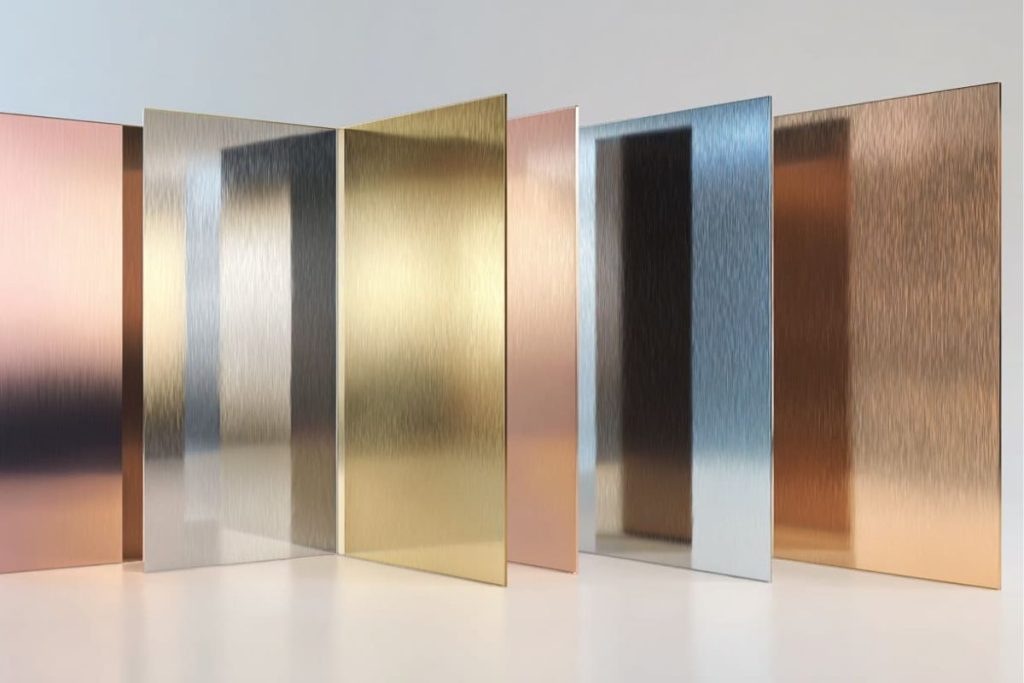
Colored stainless steel with surface treatment
How do colored stainless steel differ from original stainless steel?
Essentially, the core is still regular stainless steel (most commonly 304 or 316). The difference lies in the surface layer: plain stainless steel only undergoes rolling and polishing processes, while colored stainless steel has an additional treatment process to apply color to that surface layer.
Common coloring methods
There are several methods available on the market for coloring stainless steel:
PVD (Physical Vapor Deposition): Vacuum plating technology, highly regarded for its durability.
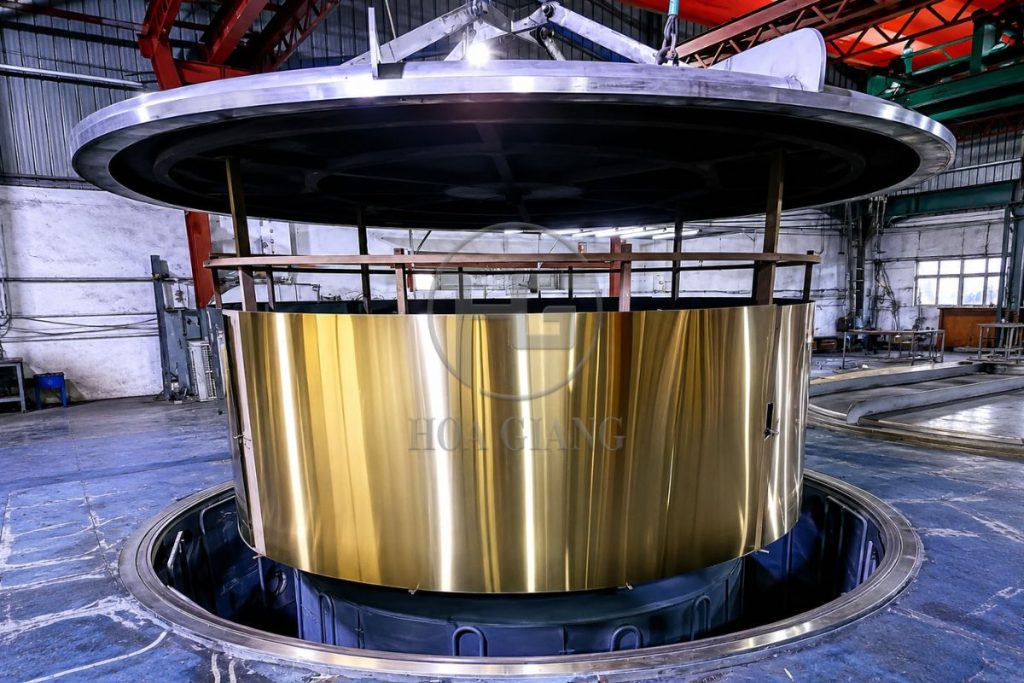
PVD color coating technology
Electroplating: Traditional color plating method, lower cost but limited durability.
Color coating: Less commonly used for high-end products due to lower durability and aesthetic appeal.
Why is PVD technology widely used for colored stainless steel?
PVD is a color coating technology that involves vaporizing metal in a vacuum and then depositing it as a thin, firmly adhering film on the stainless steel surface. Thanks to its molecular-level bonding mechanism, the PVD coating has significantly higher hardness and adhesion than conventional paints or electroplating, and it does not contain harmful chemicals during use. This is why PVD is increasingly becoming the popular choice for high-end colored stainless steel products.
Do colored stainless steel pieces fade in color?
The answer is: Colored stainless steel can fade under certain conditions, but high-quality colored stainless steel, treated with the right technology, will not easily fade. In other words, color fastness is not a fixed characteristic of “colored stainless steel” in general, but depends heavily on the coloring technology, the quality of the base material, and the actual usage conditions.
Distinguishing between fading, scratching, and paint peeling.
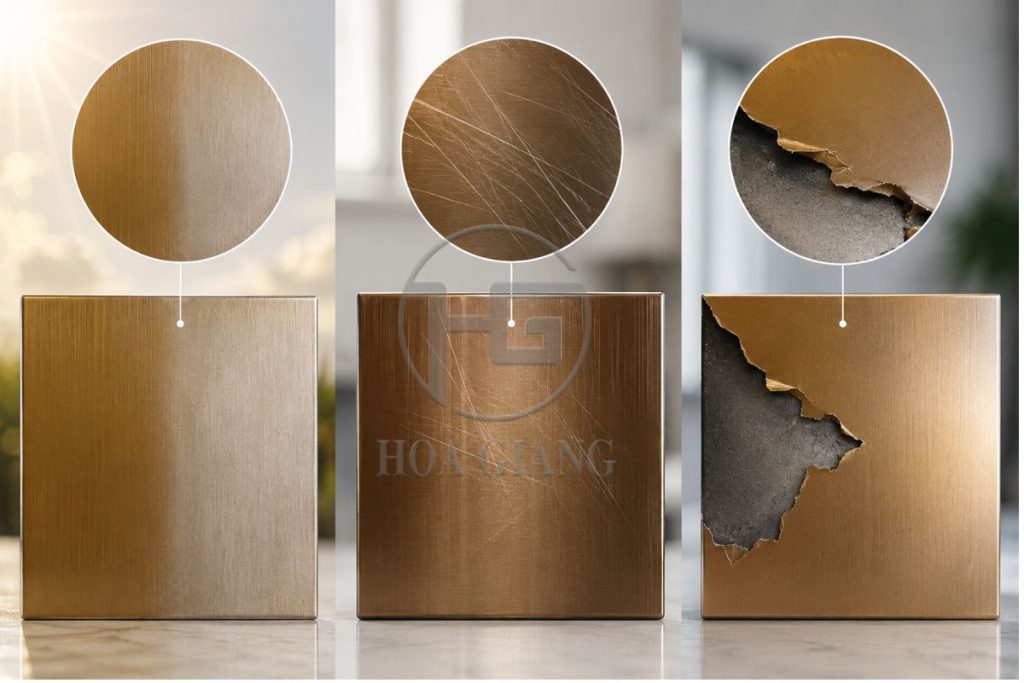
Distinguishing between fading, scratching, and paint peeling.
One key point of confusion that users often encounter is lumping different phenomena together under the single concept of “fading”:
- Paly: Surfaces fade over time, usually due to prolonged exposure to environmental factors (UV rays, chemicals, humidity).
- Scratches: Mechanical scratches caused by impact, friction with hard objects, or improper cleaning.
- The paint layer peels off: The coating separates from the stainless steel substrate, usually occurring when the processing technology is poor or the stainless steel substrate does not meet standards.
Clearly distinguishing between these three phenomena helps to identify the correct cause and determine appropriate solutions or prevention methods, instead of equating all surface problems to “poor quality colored stainless steel”.
Factors determining color fastness
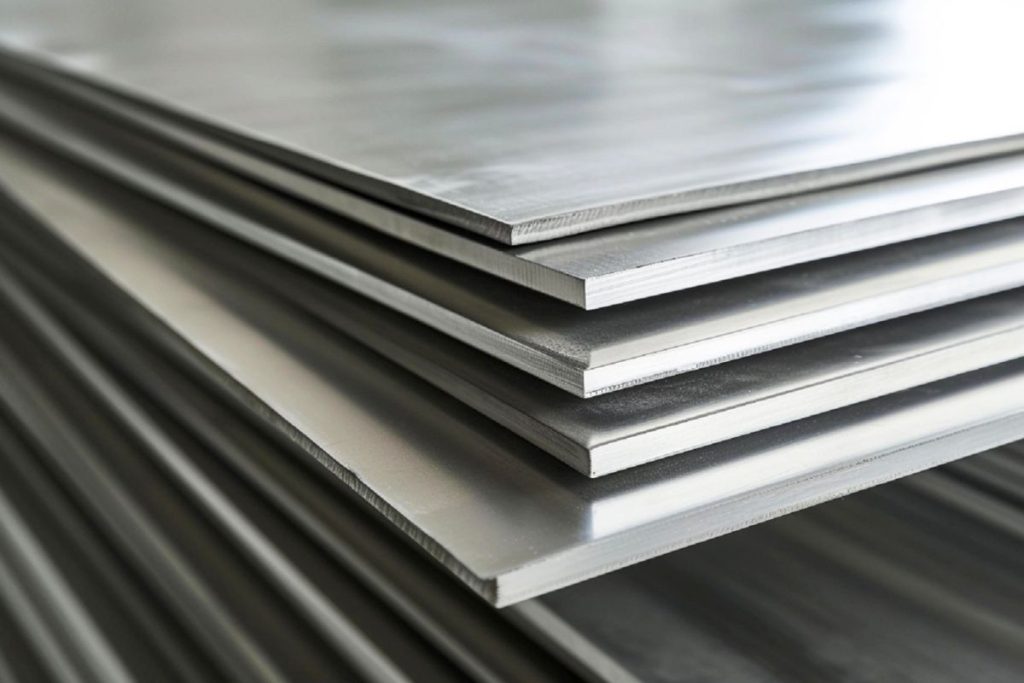
The quality of the steel blanks affects color fastness.
The colorfastness of colored stainless steel is affected by a combination of factors:
- Surface treatment technology PVD coatings are generally more durable than electroplating or paint coatings.
- Stainless steel base quality Genuine 304 and 316 stainless steel offers better color retention than counterfeit stainless steel.
- Usage environment Coastal areas with high humidity and numerous industrial chemicals will cause surfaces to degrade more quickly.
- Chemicals and cleaning methods Using the wrong detergent is a common cause of color fading.
- Level of exposure to friction and impact Surfaces that are frequently rubbed, touched, or bumped will fade faster.
Why do colored stainless steel pieces fade or lose their color?
Using the wrong color processing technology.
Not all coloring technologies have the same durability. Inexpensive electroplating or coating methods often produce a thin layer of color that is prone to peeling and fading after only a short period of use, especially when exposed to harsh environments.
Exposure to harsh cleaning chemicals
This is one of the most common reasons why colored stainless steel surfaces degrade quickly. Strong acidic or alkaline cleaning agents, and chlorine-based cleaners, can break down the structure of the color coating, causing the surface to stain, discolor, or lose its shine.
The environment has high humidity and corrosive properties.
Coastal areas with high concentrations of salt in the air, or industrial environments with many volatile chemicals, are conditions that accelerate oxidation and corrosion, indirectly affecting the durability of the surface coating.
Friction and improper cleaning
Using metal scouring pads, sandpaper, or rough cloths to clean colored stainless steel surfaces will create tiny scratches, dulling the shine and making the surface look discolored even if the coating isn’t actually damaged.
Coating quality and input materials
Even with the correct technology, if the stainless steel base material is substandard, the color coating will not adhere as firmly and durably over time as it would on genuine stainless steel.
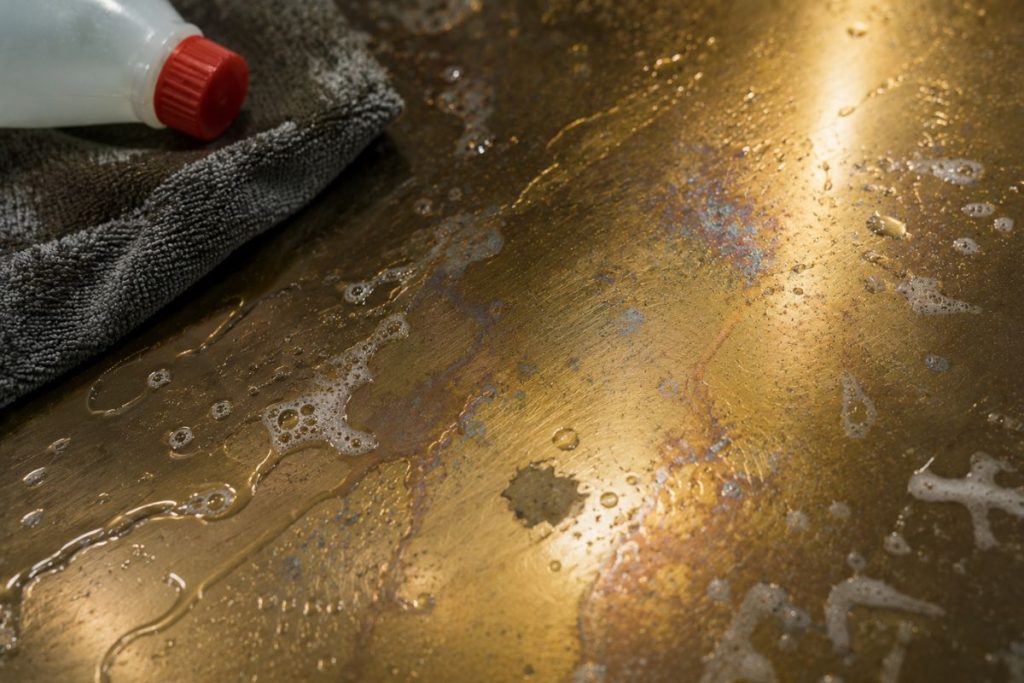
Low-quality stainless steel comes into contact with strong cleaning solutions.
Is PVD-coated stainless steel colorfast?
How does PVD work?
PVD technology works by vaporizing a metal (such as titanium or zirconium) in a vacuum chamber. These metal molecules then deposit and adhere tightly to the stainless steel surface, forming a thin, uniform, and highly durable film.
Characteristics of PVD color coating
PVD color coatings offer high molecular adhesion, a smooth surface, uniform color, and are less affected by common environmental factors compared to other color coating methods.
Abrasion and corrosion resistance
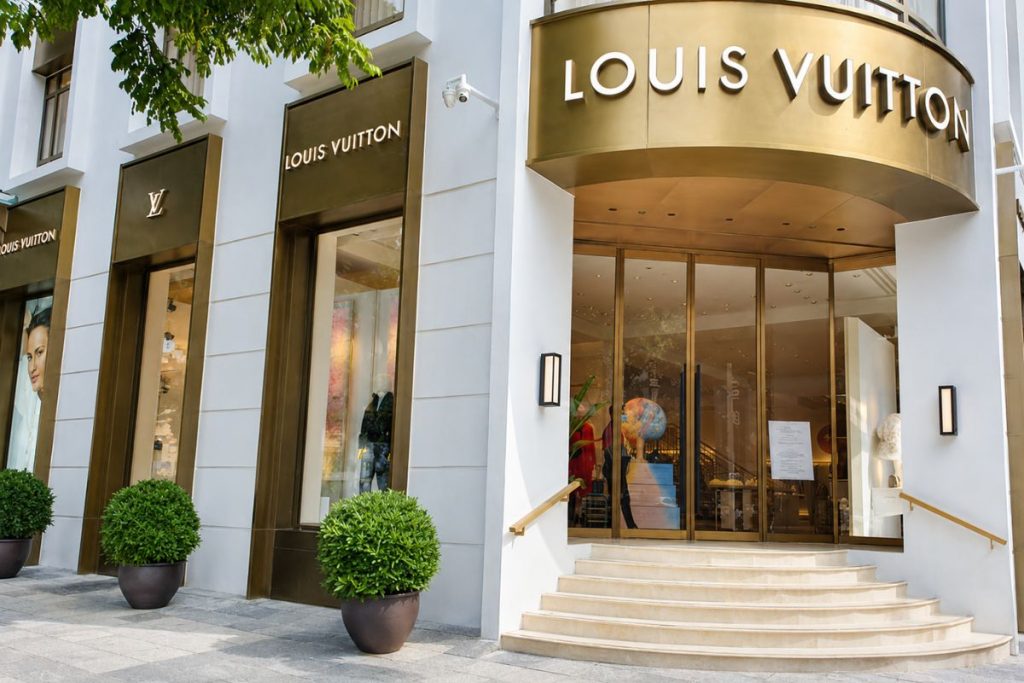
Colored stainless steel facade cladding at Louis Vuitton, installed by Hoa Giang.
Thanks to its high surface hardness, PVD coatings offer significantly better scratch and abrasion resistance compared to electroplating or paint coatings, while also limiting oxidation due to the uniform protective film.
How does PVD differ from conventional paint or coating methods?
Unlike paint coatings (which only adhere mechanically to the surface and are prone to peeling), PVD creates a molecular-level bond with the stainless steel substrate, resulting in a more durable, less peeling color layer that is not affected by UV rays like conventional paint.
Common PVD colors
Some popular PVD colors in architecture and interior design today include: Champagne, Bronze, Rose Gold, Black Titanium, and Gold. Each color suits different design styles, from modern and minimalist to luxurious and classic.
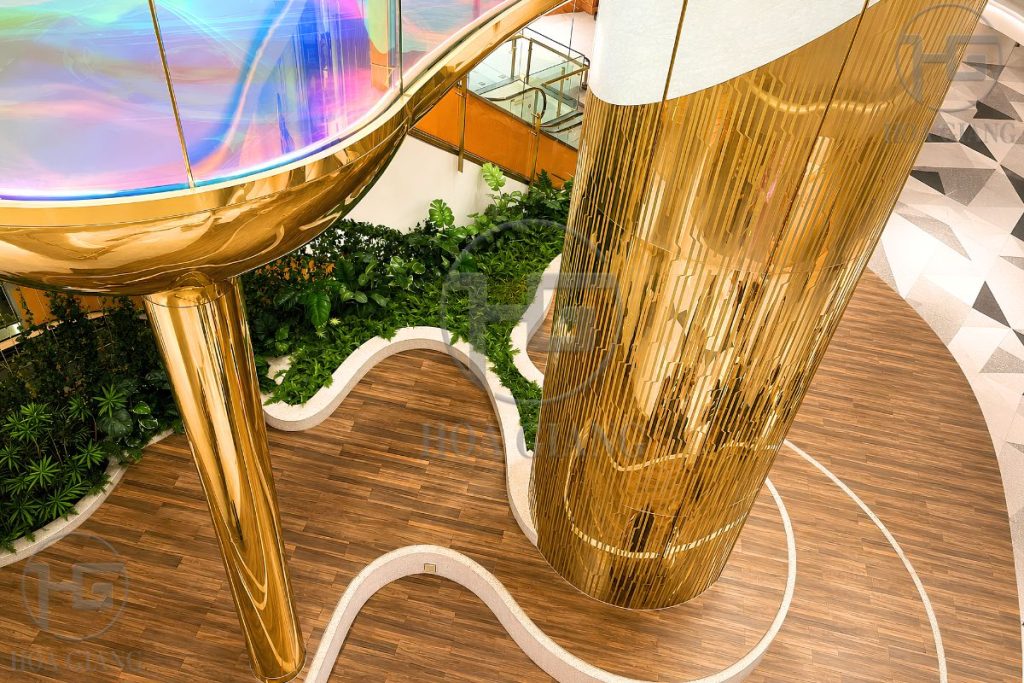
Gold stainless steel cladding for decorative columns at Thiso Mall Sala – A project implemented by Hoa Giang.
Factors affecting the color fastness of stainless steel
| Influencing factors | Level of impact |
| Coloring technology | Very high |
| Stainless steel base quality | High |
| Usage environment | High |
| Cleaning chemicals | High |
| Friction, impact | Medium – High |
| Storage method | Medium |
How to clean and maintain colored stainless steel to keep its color lasting longer.
Should be used
- Soft, lint-free cloth for wiping surfaces.
- Clean water to remove common dirt and grime.
- Specialized cleaning solution, specifically recommended for stainless steel surfaces.
Should not be used
- Highly corrosive cleaning agents (acids, concentrated alkalis, chlorine-containing detergents)
- Steel wool or steel scouring pad
- Rough abrasive materials
- Chemicals of unknown origin and composition.
Notes on cleaning colored stainless steel surfaces
When cleaning hairline surfaces, wipe in the direction of the hairline to avoid creating additional horizontal scratches. Do not leave cleaning chemicals on the surface for too long, and always dry completely after cleaning to prevent water from pooling, which can cause staining or affect the color coating in the long term.
Do colored stainless steel oxidize or rust?
Stainless steel itself possesses natural corrosion resistance thanks to the chromium oxide layer that forms on its surface. However, two issues need to be clearly distinguished: surfaces color and rust resistance These are two different characteristics; a product that retains its color well does not necessarily mean it has high corrosion resistance, and vice versa.
Of these, 304 stainless steel is suitable for most common interior and exterior applications, while 316 stainless steel, thanks to its added molybdenum content, offers better corrosion resistance in high-salinity environments. Therefore, for constructions in coastal areas or near saltwater environments, it is advisable to consider using 316 stainless steel as a base material to ensure long-term durability, even with an exterior coating.
Is colored stainless steel suitable for outdoor use?
Factors to consider before use
Before deciding to use colored stainless steel for exterior projects, factors such as direct sunlight exposure, rainfall frequency, air humidity, distance to coastal areas, and air pollution levels in the installation area should be assessed.
When should colored stainless steel be used for exterior applications?
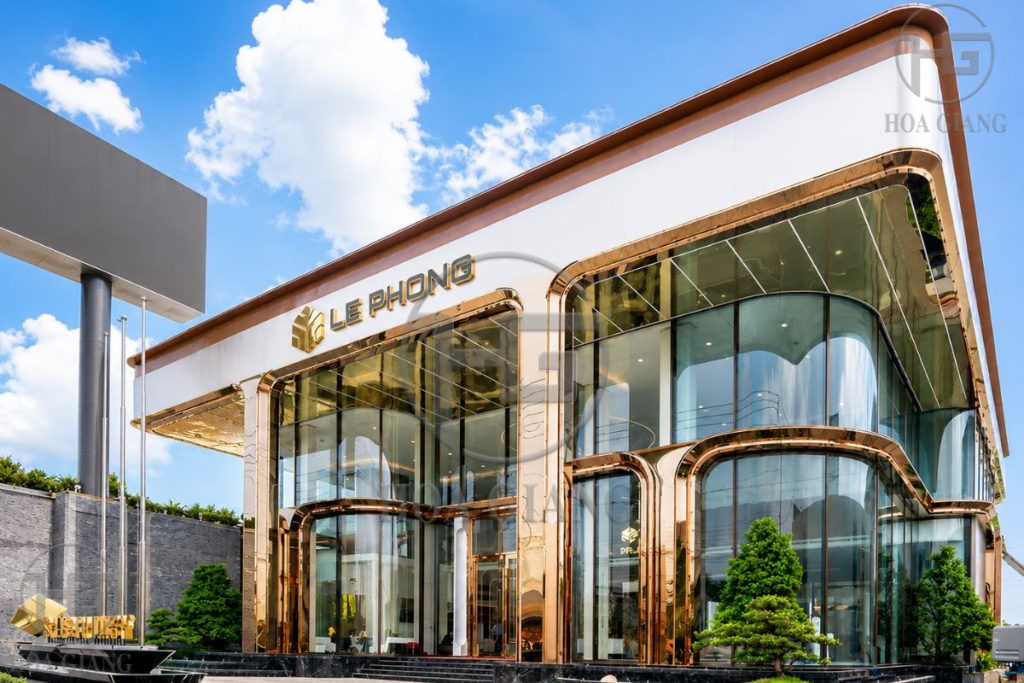
Colored stainless steel exterior decoration at Sales Gallery The Emerald Boulevard – a project implemented by Hoa Giang.
Colored stainless steel can still be used effectively for exterior applications if treated with appropriate technology (such as PVD) on a high-quality stainless steel base, combined with proper regular maintenance and cleaning.
Selecting appropriate materials and processing technologies.
For exterior applications, it is recommended to prioritize 304 or 316 stainless steel (depending on the environment) combined with PVD coating technology to ensure the best color durability and corrosion resistance in harsh weather conditions.
Should colored stainless steel be used for interior design?
Aesthetic advantages
Colored stainless steel offers a more luxurious, modern, and sophisticated look compared to plain stainless steel, making it particularly suitable for spaces where a striking visual focal point is desired.
Ability to coordinate with various design styles
With a diverse range of shades from metallic gold and classic bronze to mysterious black, colored stainless steel easily complements many different design styles — from modern and minimalist to classic luxury or industrial.
Application
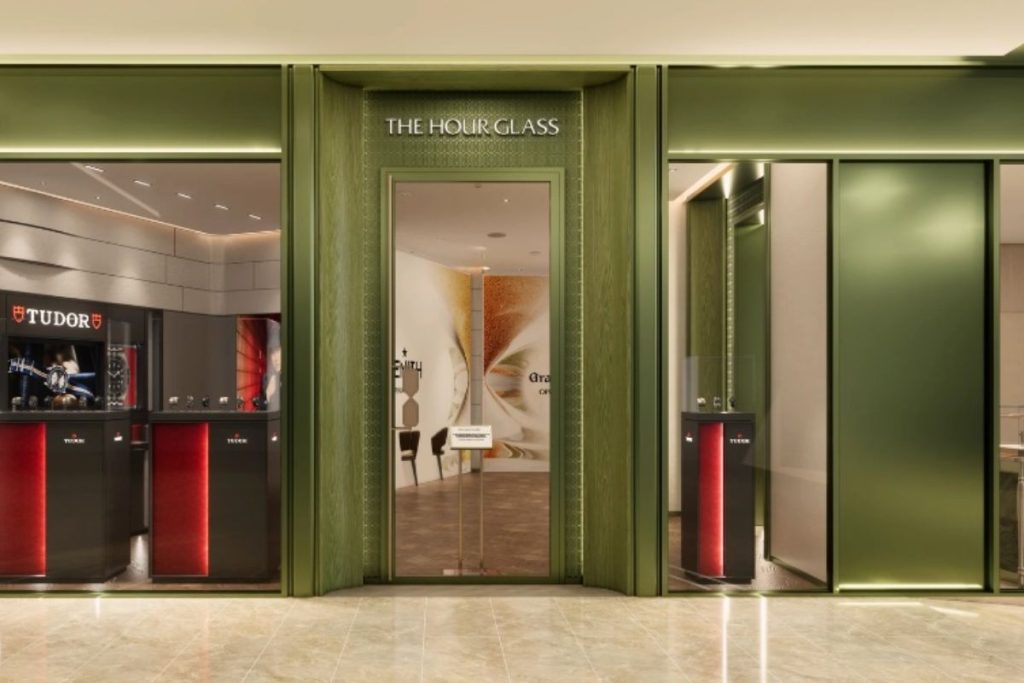
PVD-coated stainless steel at The Hour Glass store – Project executed by Hoa Giang.
Colored stainless steel is commonly used in: decorative partitions, elevator doors and door frames, reception counters, high-end interior details, building facades, and many other architectural projects.
When is colored stainless steel a worthwhile option to consider?
For indoor spaces that are less directly exposed to the weather, colored stainless steel is a suitable choice, ensuring both aesthetic appeal and significantly greater durability compared to harsh outdoor environments.
Frequently Asked Questions about Colored Stainless Steel
Do colored stainless steel pieces fade over time?
It’s possible, but the extent depends on the processing technology, the quality of the base stainless steel, and the usage conditions. Colored stainless steel treated with PVD technology on high-quality stainless steel bases generally retains its color significantly better than conventional color coating methods.
Will PVD-coated stainless steel peel off?
PVD coatings have high adhesion at the molecular level, making them much less prone to peeling than paint or electroplating; however, they can still be affected if the processing quality is poor or if they are used incorrectly over a long period.
Does colored stainless steel get scratched?
Yes, like any other metal surface, colored stainless steel can still be scratched if it comes into contact with hard objects, experiences strong friction, or is cleaned incorrectly with rough abrasive materials.
Can colored stainless steel be used outdoors?
Yes, if you choose the right type of stainless steel base (304 or 316 depending on the environment) combined with appropriate processing technology such as PVD, and with proper periodic maintenance.
How can colored stainless steel always maintain its beautiful shine?
Regular cleaning with a soft cloth and specialized cleaning solution, avoiding harsh chemical detergents, minimizing friction and impact, and drying the surface after cleaning are simple ways to maintain its shine for a long time.
Hoa Giang – A supplier of high-quality colored stainless steel.
With nearly 20 years of experience in the stainless steel materials industry, Hoa Giang offers a diverse range of colored stainless steel products with various surface finishes and color tones, utilizing modern PVD technology to ensure long-lasting color durability and aesthetic appeal.
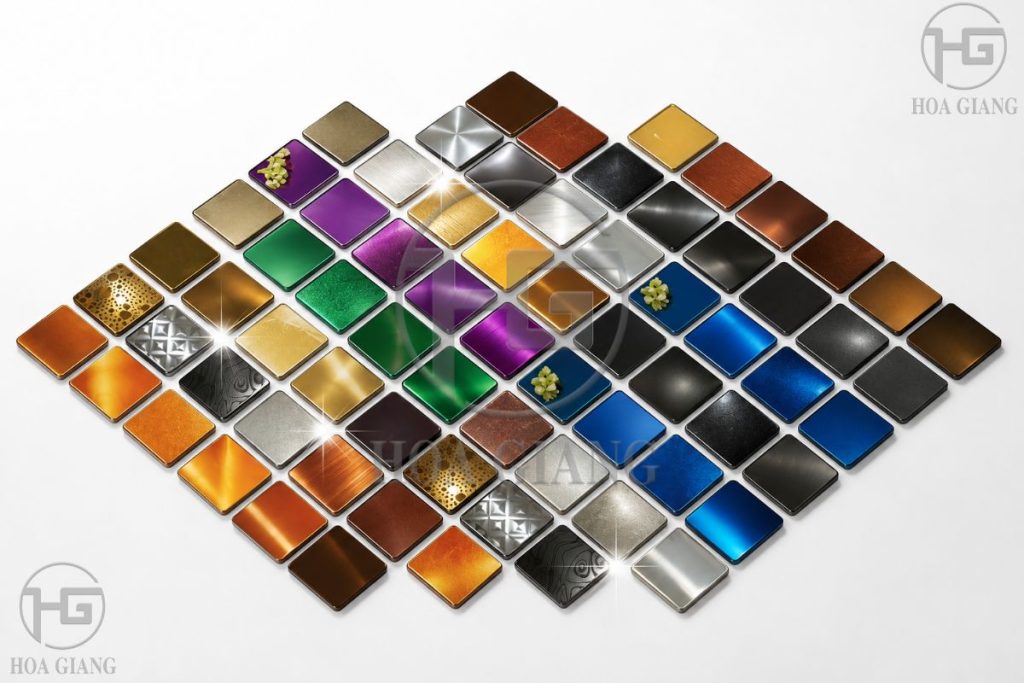
Colored stainless steel supplied by Hoa Giang
In addition, Hoa Giang also has the capability to customize products according to each customer’s specific requirements, suitable for applications in interior design, architecture, and high-end projects that demand both superior material quality and aesthetics.
HOA GIANG STAINLESS STEEL
Fanpage: Hoa Giang Stainless Steel Group
Hotline: 0918311491 – 0949805203


