


Interior materials are a crucial factor in determining the beauty, durability, and value of a space, especially in high-end projects. Instead of solely considering cost, architects and investors often prioritize materials that suit the design style, functionality, and environmental conditions.
This article by Hoa Giang will summarize the currently popular high-end interior design materials, analyze their advantages and disadvantages, and outline the principles of combining them to create a luxurious and sustainable space.
Nội dung chính
- 1 Current trends in interior design materials in high-end architecture.
- 2 The most popular interior materials groups in high-end architecture.
- 3 Why has decorative stainless steel become the top choice in modern interior design?
- 4 Comparing different groups of high-end interior materials: advantages and disadvantages.
- 5 Trends in interior materials for high-end projects in the coming period.
- 6 Frequently Asked Questions about High-End Interior Materials
- 7 Hoa Giang – A provider of high-end decorative stainless steel solutions.
Current trends in interior design materials in high-end architecture.
Market interior materials The high-end market in Vietnam has seen a significant shift in recent years. While previously, material selection was largely based on aesthetics and budget, now technical criteria, operational durability, and maintainability have become equally, or even more, important factors.
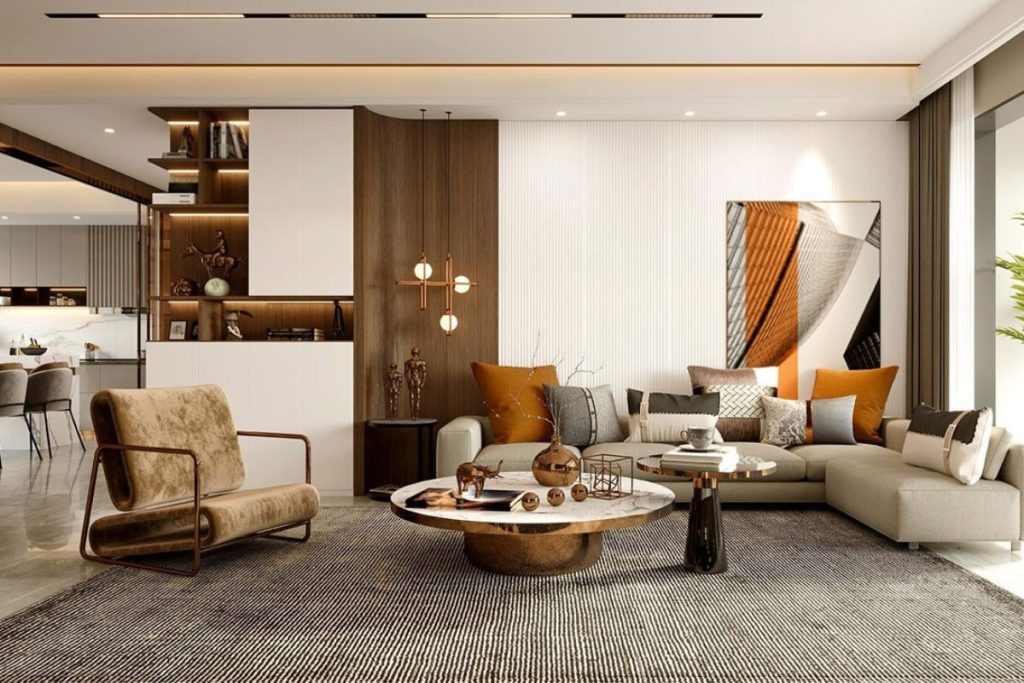
High-end interior materials
Criteria for evaluating high-end interior materials
A material classified as premium must typically meet the following criteria simultaneously:
Aesthetically, the material needs to have a refined surface finish, with natural colors and patterns, or be treated with advanced technology to create a consistent visual effect.
Technically, the material must be able to withstand force, heat, corrosion, and minimal deformation over time.
In terms of operation, low maintenance costs and a long service life are two factors that investors are particularly interested in, because the cost of replacing materials in high-end construction projects is often very high.
Furthermore, the ability to customize designs is also an important criterion, especially for projects with unique concepts that do not want to be duplicated by any other project.
The shift from traditional materials to sustainable materials.
One notable trend is the increasing preference for sustainable materials In high-end architectural projects, sustainable materials typically offer high physical durability, require minimal maintenance, and have a long lifespan.
Recyclable metals, FSC-certified wood, controlled-mining natural stone, and other next-generation materials are gradually replacing less sustainable traditional materials in the materials catalog.
The most popular interior materials groups in high-end architecture.
In high-end construction projects, materials are typically selected according to their functional groups: load-bearing/structural materials, surface finishing materials, and decorative accent materials. Below are these groups high-end building materials The most popular currently.
Natural stone and artificial stone
Natural stones such as marble, granite, and onyx still hold an irreplaceable position in large lobbies, reception areas, kitchen countertops, and high-end bathroom spaces.
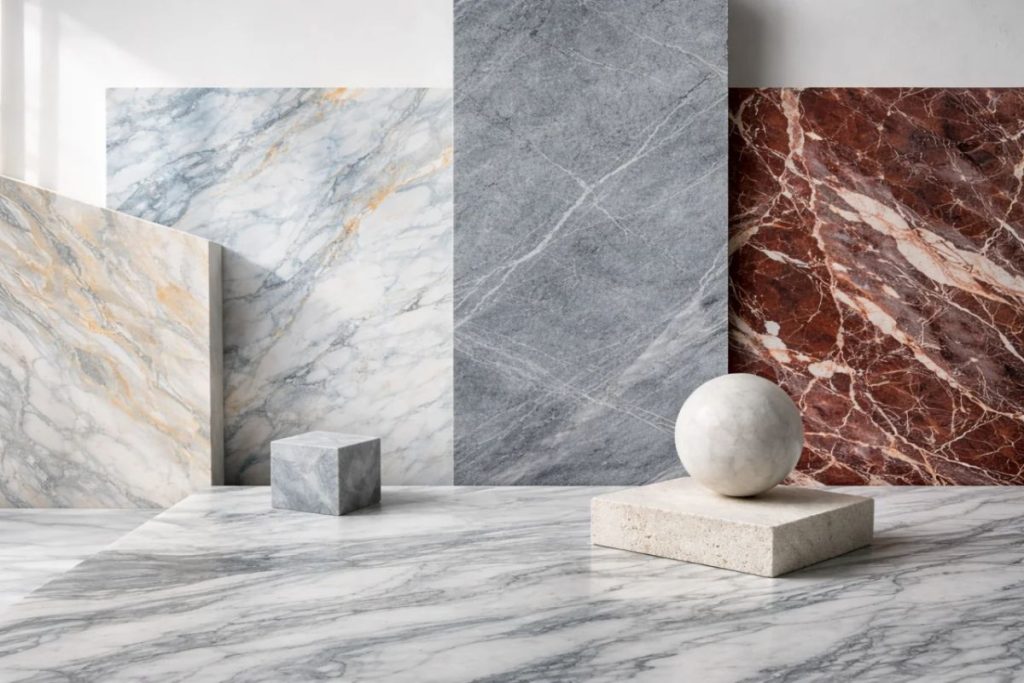
Marble is a material used in interior design.
However, natural stone has the disadvantage of being heavy and having high transportation and installation costs.
Natural wood and high-quality engineered wood
In high-end projects, natural wood provides a warm and luxurious feel; wood from groups I-II such as walnut, oak, and ash is often used for flooring, wall cladding, and freestanding furniture.
Simultaneously, high-quality engineered wood (veneer, high-grade laminate) is being used more widely due to its flexible shaping capabilities, while also reducing the pressure on natural wood exploitation – a factor that aligns with current trends sustainable materials today.
Decorative stainless steel and glass
This is the fastest-growing group of materials in the last decade or so, especially in this segment luxury interior design Color-coated stainless steel with surface treatment is gradually replacing the decorative role previously played by stone and wood.
Tempered glass, photochromic glass, and other types of wall cladding materials Large panel designs are also a popular choice for spaces that require minimalism while still ensuring an impressive visual effect.
Why has decorative stainless steel become the top choice in modern interior design?
Among the aforementioned material groups, decorative metals, in particular…stainless steel interior, is experiencing the fastest growth in application across projects ranging from 5-star hotels and shopping malls to luxury villas.
Outstanding technical specifications
Decorative stainless steel possesses superior corrosion and oxidation resistance compared to traditional metals such as copper and iron. This characteristic is particularly important in Vietnam’s humid tropical climate.
In addition, modern surface treatment technologies such as PVD plating allow for the creation of countless different colors on stainless steel – from gold, rose gold, blue, purple, titanium black… to special metallic shades.
Versatile applications in luxurious spaces.
Decorative stainless steel can be fabricated into various shapes according to design requirements. Therefore, this material is used flexibly in everything from decorative partitions, stair railings, door frames, column cladding, to small decorative interior details.
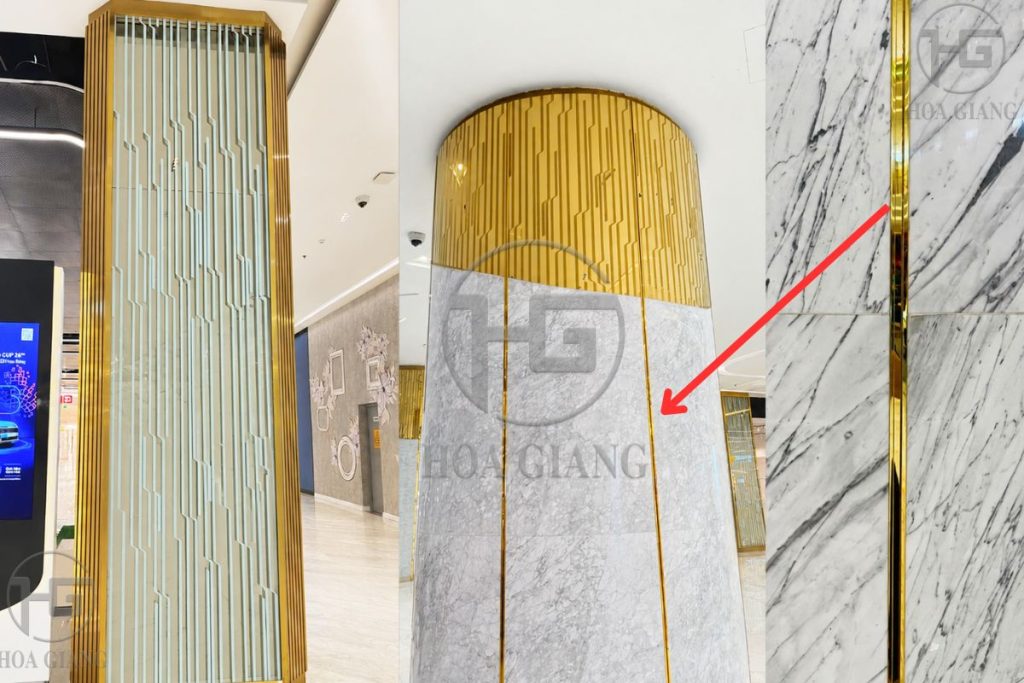
Decorative stainless steel columns at Thiso Mall Sala – A project implemented by Hoa Giang.
In the projects luxury interior design decorative metals are often used as accents, combined with stone, wood, or glass, to avoid a monotonous feel in large spaces.
Comparing different groups of high-end interior materials: advantages and disadvantages.
To get an overview when making a choice interior materials below is a comparison table of common material groups based on four criteria: durability, maintenance cost, aesthetics, and machinability.
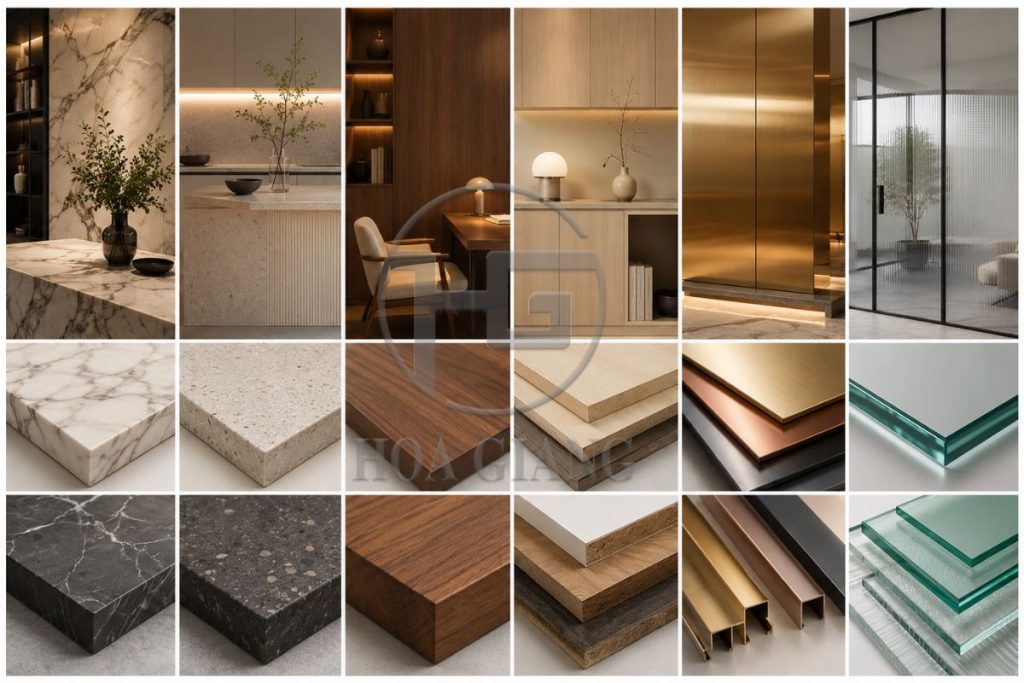
High-end interior materials group
| Material | Durability | Maintenance fees | Aesthetics | Machinability |
| Natural stone | Tall, but needs waterproofing. | Average, High | Tall, unique pattern | Limitations with complex shapes |
| Artificial stone | High | Short | Tall, uniform | Good |
| Natural wood | On average, it depends on climatic conditions. | High | Very high | Good |
| Engineered wood | Average, High | Short | Quite high | Very good |
| Decorative stainless steel | Very high | Very low | Tall, diverse colors | Very good |
| Tempered glass | High | Short | Tall, modern | Medium |
Looking at the comparison table, it’s clear that decorative metals offer the best balance between durability, operating costs, and customizable fabrication, which is why this group of materials is increasingly occupying a larger proportion in the material lists of high-end construction projects.
Trends in interior materials for high-end projects in the coming period.
The trend in interior design materials selection in the high-end segment is shifting towards a balance between aesthetics, construction efficiency, and sustainability. Projects prioritize combining multiple materials to create spatial depth and optimize usability.
Among metal materials, colored stainless steel in champagne gold, bronze, and rose titanium black tones continues to be widely used due to its ability to provide a luxurious look, high durability, and ease of combination with natural stone, wood, or glass.
In addition, combining various materials in the same project has become common. For example, metal is combined with stone or wood to reduce construction volume, create diverse aesthetic effects, and add depth to the space.
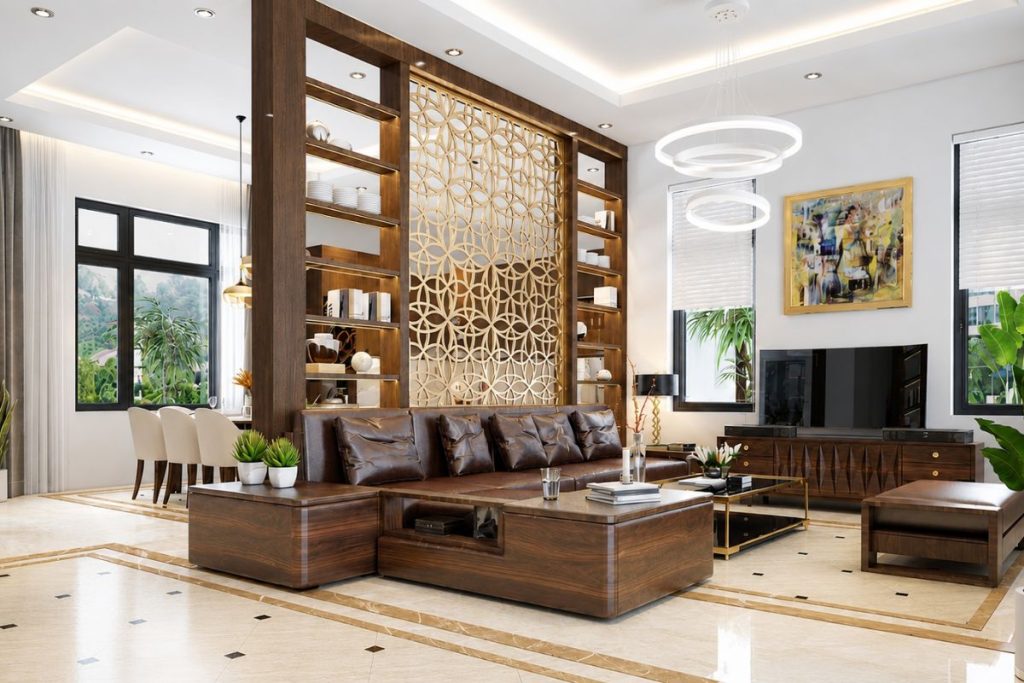
Decorative stainless steel combined with wood
This trend also coincides with a growing interest in sustainable materials. Products that are durable, easy to maintain, and recyclable will continue to be preferred in high-end interior design projects, meeting both long-term usage requirements and modern construction standards.
Frequently Asked Questions about High-End Interior Materials
What interior design materials are best suited to Vietnam’s hot and humid climate?
Stainless steel decorative and quartz-based artificial stone are two of the most stable material groups in hot and humid climates, as they are less affected by humidity and daily temperature fluctuations compared to natural wood or untreated natural stone.
Are the costs of investing in high-end interior materials really significantly higher than those of using regular materials?
While the initial cost is usually higher, when considering the lifecycle cost, including maintenance and replacement costs, premium materials are often more cost-effective in the long run due to their longer lifespan and lower maintenance requirements.
How can you combine different materials in one space without it looking cluttered?
The basic principle is to limit the number of primary materials in a space to no more than 3-4 types, while controlling the ratio of area used between background materials and accent materials.
Does decorative stainless steel fade over time?
With modern surface treatment technologies such as PVD coating, the color does not fade under normal use conditions. However, the longevity of the color also depends on the quality of the original material.
Is stainless steel wall cladding suitable for a classic design style?
Yes. With traditional embossed patterns and bronze, antique gold, and metallic accents, these decorative metals can be perfectly applied in classical and neoclassical styles, alongside modern and minimalist styles.
Will the trend towards sustainable materials increase construction costs?
In the short term, there may be a slight increase in input material costs, but in the long term, sustainable materials often help reduce operating and maintenance costs and increase the value of the structure when re-evaluated or resold.
Hoa Giang – A provider of high-end decorative stainless steel solutions.
With nearly 20 years of experience in the field of decorative stainless steel supply, Hoa Giang accompanies architects, contractors, and investors in selecting and implementing suitable metal material solutions for each high-end project – from hotels and shopping malls to villas and luxury living spaces.
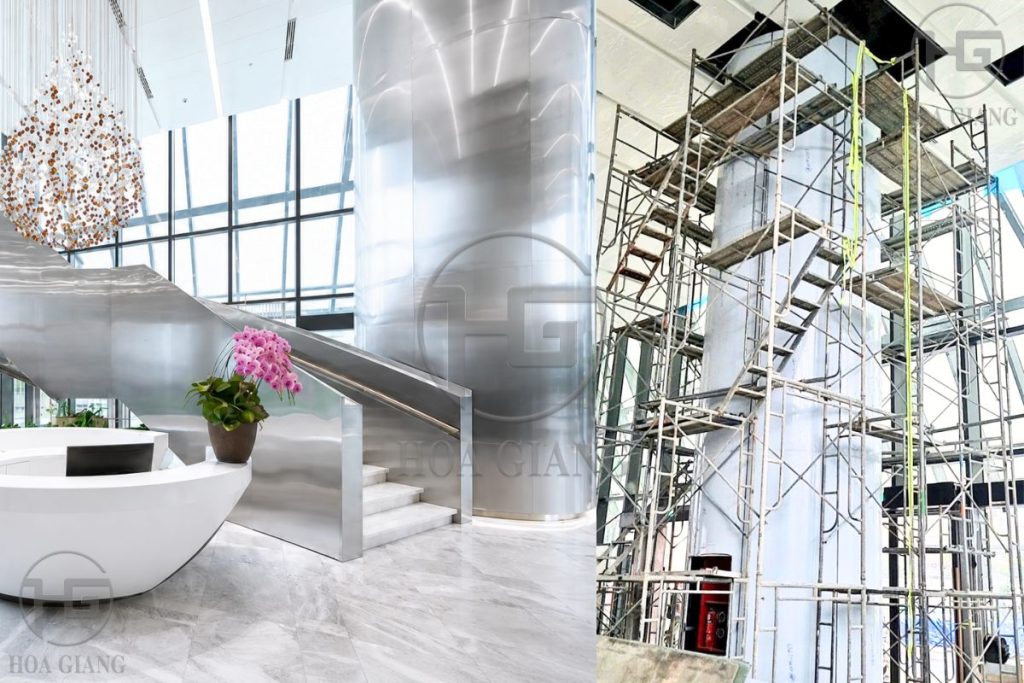
Hoa Giang is undertaking stainless steel fabrication at Saigon Marina IFC.
With its diverse processing capabilities in terms of color, pattern, and specifications according to individual design requirements, Hoa Giang is committed to delivering products that meet standards in surface quality, durability, and aesthetics.
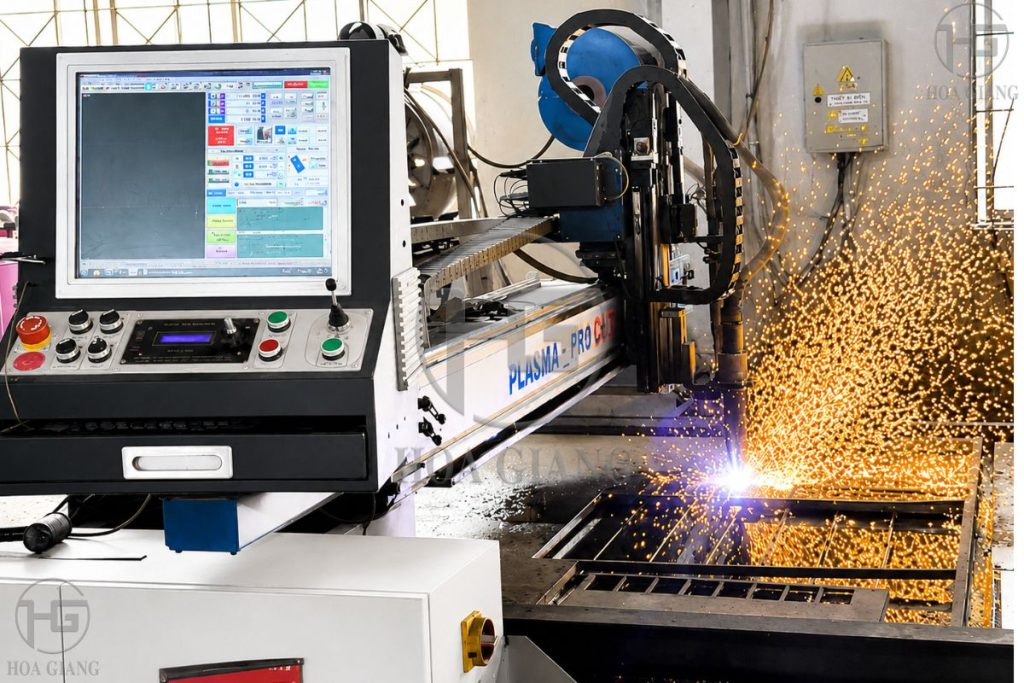
Hoa Giang invests in modern machinery with superior processing capabilities.
If you, our valued customers and partners, are looking for decorative stainless steel solutions for your project, please contact Hoa Giang for detailed advice on materials, processing specifications, and design coordination options suitable for your project.
HOA GIANG STAINLESS STEEL
Fanpage: Hoa Giang Stainless Steel Group
Hotline: 0918311491 – 0949805203


