



Both titanium and stainless steel are highly valued for their superior strength and corrosion resistance. However, despite many similarities, these two materials possess completely different properties, costs, and application ranges, making them incompatible in all situations.
So what are the differences between titanium and stainless steel, and which is the right choice for your needs? Let’s explore the details with Hoa Giang in the article below.
Nội dung chính
- 1 What are the differences between titanium steel and stainless steel?
- 2 What is titanium steel? Is it titanium?
- 3 What is stainless steel?
- 4 Quick comparison table of titanium steel and stainless steel
- 5 Practical applicationstitanium and stainless steel
- 6 How do titanium and stainless steel differ in terms of corrosion resistance?
- 7 Hoa Giang – Vietnam’s leading supplier of high-end decorative stainless steel.
What are the differences between titanium steel and stainless steel?
Titanium steel and stainless steel differ in material nature, weight, corrosion resistance, hardness, machinability, and cost.
Titanium is a single metal, while stainless steel is an alloy of iron with chromium and other elements such as nickel and molybdenum.
It’s worth noting that “titanium steel” isn’t the precise technical name, but it’s how many Vietnamese people compare titanium to stainless steel. In reality, both materials have excellent corrosion resistance but are optimized for completely different purposes.
- Titanium stands out for its lightweight nature, high strength-to-weight ratio, and superior corrosion resistance in seawater or chemical environments.
- Stainless steel is more affordable, easier to process, and is a commonly used material in construction, furniture, and the food industry.
What is titanium steel? Is it titanium?
This is the most common misconception when searching for this topic.
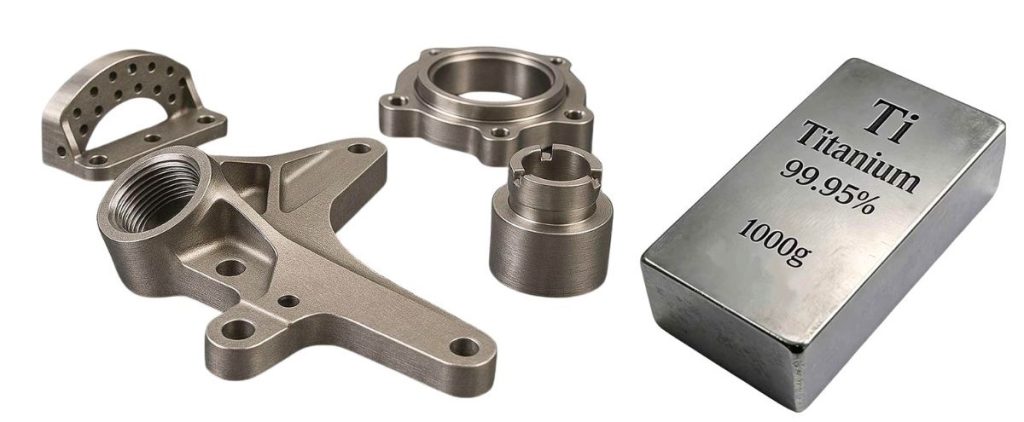
What is Titan?
Titanium is a metal element.
Titanium (symbol Ti) is a chemical element with atomic number 22. In industry, titanium is used in the form of pure titanium or titanium alloys such as:
- Titanium Grade 2 (pure commercial titanium)
- Titanium Grade 5 (Ti-6Al-4V) – a titanium alloy widely used in aerospace and medical applications.
Why do many people call it “titanium steel”?
This name originates from colloquial usage, particularly in the field of furniture and accessories. In reality, titanium does not belong to the steel group but is a completely different family of materials.
This also explains why titanium has unique properties such as being significantly lighter than steel and not relying on chromium for corrosion resistance.
What is stainless steel?
Stainless steel is an alloy of iron containing a minimum of approximately 10.5% chromium, which helps form a self-healing chromium oxide film on the surface, thereby protecting the material from corrosion.
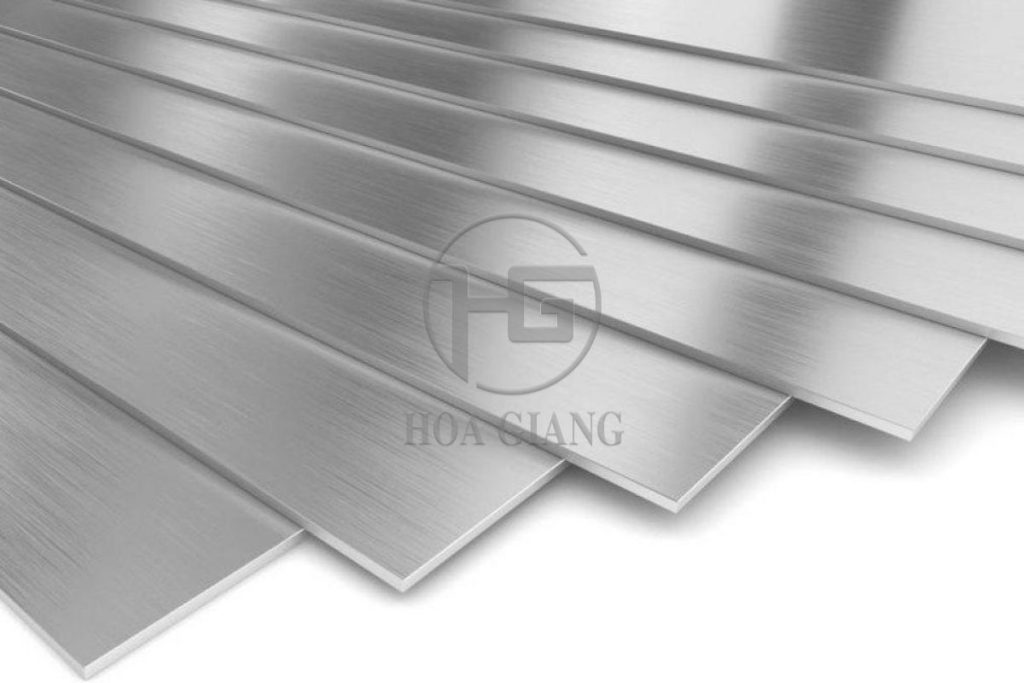
What is stainless steel?
Common stainless steel grades include:
- 304 stainless steel: most commonly used in furniture and the food industry.
- 316 stainless steel: increased corrosion resistance due to the addition of molybdenum.
- Stainless steel 201: an economical solution for low-corrosive environments.
In the architectural decoration industry, stainless steel is also treated with various surface finishes such as hairline, mirror, sandblasting, or PVD coating to enhance its aesthetic appeal.
Quick comparison table of titanium steel and stainless steel
Below is a detailed comparison betweenTitan and Stainless steelBased on technical criteria and practical applications:
| Criteria | Titan | Stainless steel |
| Nature | Metal | Steel alloy |
| Density | Approximately 4.43–4.5 g/cm³ | Approximately 7.8–8.0 g/cm³ |
| Weight | Approximately 45% lighter | Heavier |
| Corrosion resistance | Very high | High |
| Machining | More difficult | Easier |
| Cost | High | More reasonable |
| Main applications | Aviation, healthcare | Architecture, interior design, food |
Density figures show that for the same volume, titanium weighs only about half as much as stainless steel.
Practical applicationstitanium and stainless steel
Titanium is about 45% lighter than stainless steel.This is a significant advantage of titanium.
- Titanium: approximately 4.43 g/cm³.
- Stainless steel 304: approximately 8.0 g/cm³.
This means that for the same machine part design, the titanium version could be about 45% lighter while still maintaining excellent strength.
It is because of this property that titanium is used in:
- plane,
- spacecraft,
- high-end bicycles,
- High-performance sports equipment.
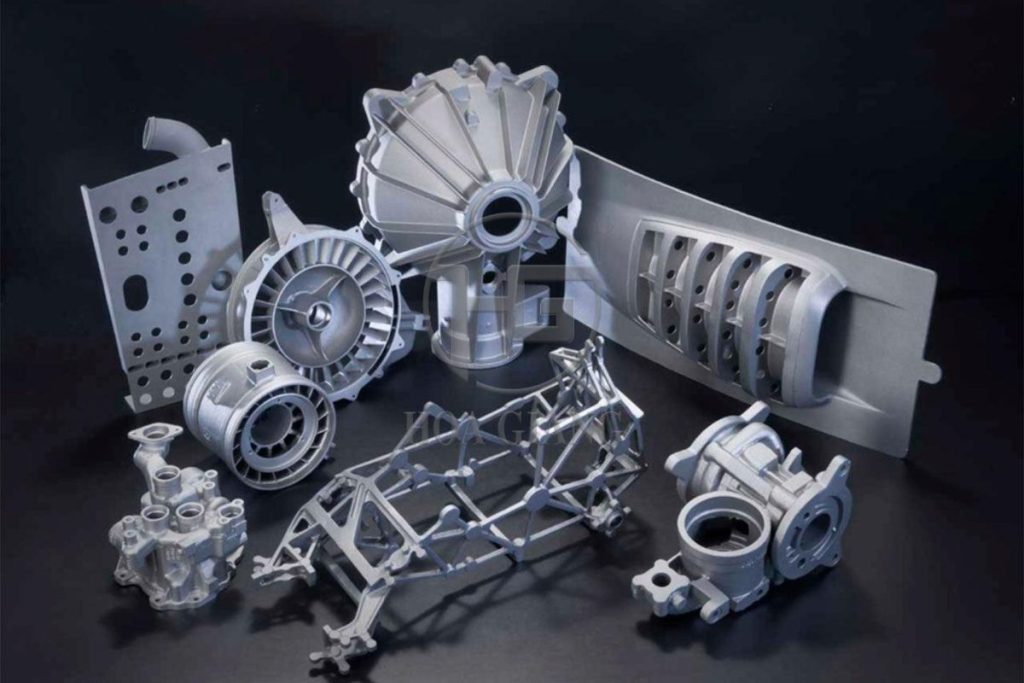
Titanium is used in aircraft construction.
Meanwhile, stainless steel is more widely used due to its versatility, ease of processing, and reasonable cost, from household and interior design to construction and industrial manufacturing.

Decorative stainless steel facade at Louis Vuitton – Project executed by Hoa Giang
How do titanium and stainless steel differ in terms of corrosion resistance?
Both titanium and stainless steel are materials with superior corrosion resistance; however, each has its own chemical and physical properties and protective effectiveness depending on the environment in which it is used.
- Titan:Titanium’s corrosion resistance is based on a naturally occurring titanium oxide film that forms on its surface. This film can quickly self-repair when damaged, helping titanium maintain high durability in seawater, chlorinated solutions, and many types of strong chemicals and acids.
- Stainless steel:Stainless steel’s rust resistance comes from its chromium content, which creates a protective layer of chromium oxide on the surface. Depending on the grade of stainless steel (such as 304, 316, or 430), stainless steel performs very well in atmospheric environments, food, drinking water, and most normal weather conditions.
| Classify | Titan | Stainless steel |
| Protection mechanism | Self-healing titanium oxide film | Chromium oxide surface layer |
| Marine environment & Chlorine | Operates stably in high-chlorine marine environments. | Good resistance; depending on the grade of stainless steel, 316 stainless steel is optimal for marine environments. |
| Chemical & Acid Environment | Resistant to various acid solutions and industrial chemicals. | Works well with mild organic acids, food, and household detergents. |
| Application | Marine equipment, specialized medical equipment, chemical industry | Household appliances, architecture, food, and general medical supplies. |
Overall, titanium demonstrates high suitability in specific chemical or marine environmental conditions, while stainless steel offers an excellent balance between good corrosion resistance and cost-effectiveness for everyday life, construction, and industrial applications.
FAQ – Frequently Asked Questions about Titanium Steel and Stainless Steel
What is titanium steel?
“Titanium steel” is a common term used to refer totitanTechnically, titanium is a distinct metal, not steel and not part of the stainless steel group.
Is titanium lighter than stainless steel?
Have. Titanium is about 40–45% lighter than stainless steel.With the same volume but a high strength-to-weight ratio, it is used in aerospace, medicine, and many engineering fields.
Does titanium rust?
Titanium is virtually rust-free under normal conditions.Thanks to the natural protective oxide layer on its surface, the material has very high corrosion resistance.
Is titanium or stainless steel better?
There is no better material in every case.TitanLightweight, highly corrosion-resistant, and suitable for harsh environments;stainless steelThey are easy to process, durable, have diverse applications, and are more cost-effective. The choice should be based on usage needs and budget.
Which is more expensive, titanium or stainless steel?
Titanium is usually more expensive than stainless steel.Due to its more complex manufacturing, refining, and processing methods, stainless steel is more affordable and suitable for a wide range of civil, industrial, and architectural applications.
Hoa Giang – Vietnam’s leading supplier of high-end decorative stainless steel.
With nearly 20 years of experience in the decorative stainless steel industry, Hoa Giang has partnered with thousands of projects both domestically and internationally, especially luxury real estate projects, hotels, shopping malls, and high-end architectural works.

Hoa Giang is installing decorative stainless steel at Thiso Mall Sala.
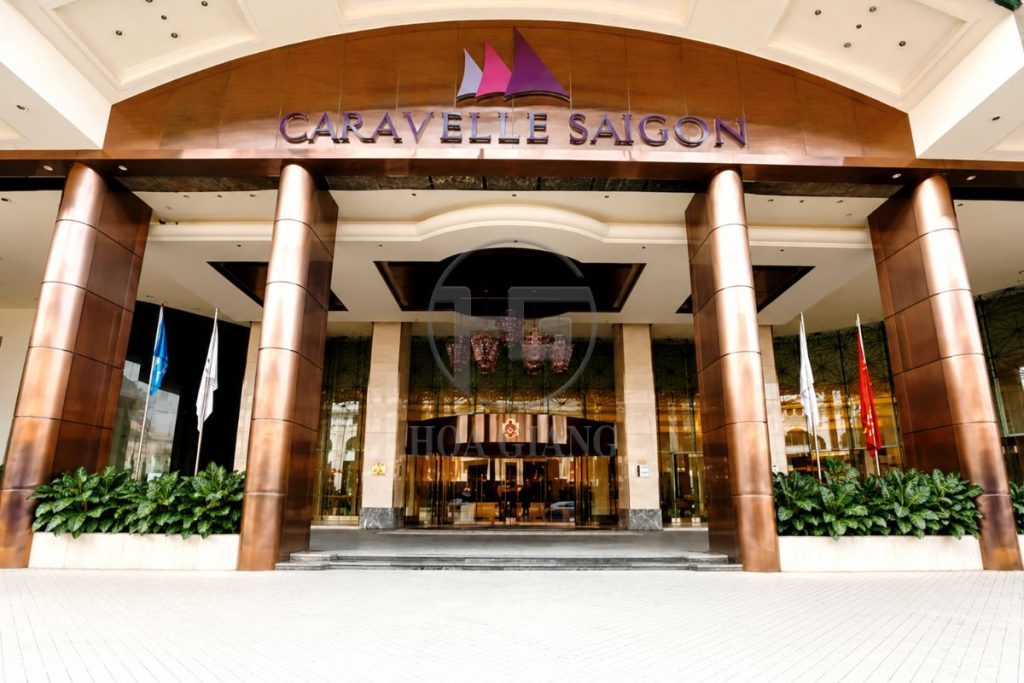
Hoa Giang is installing decorative stainless steel at the Caravelle Saigon Hotel.
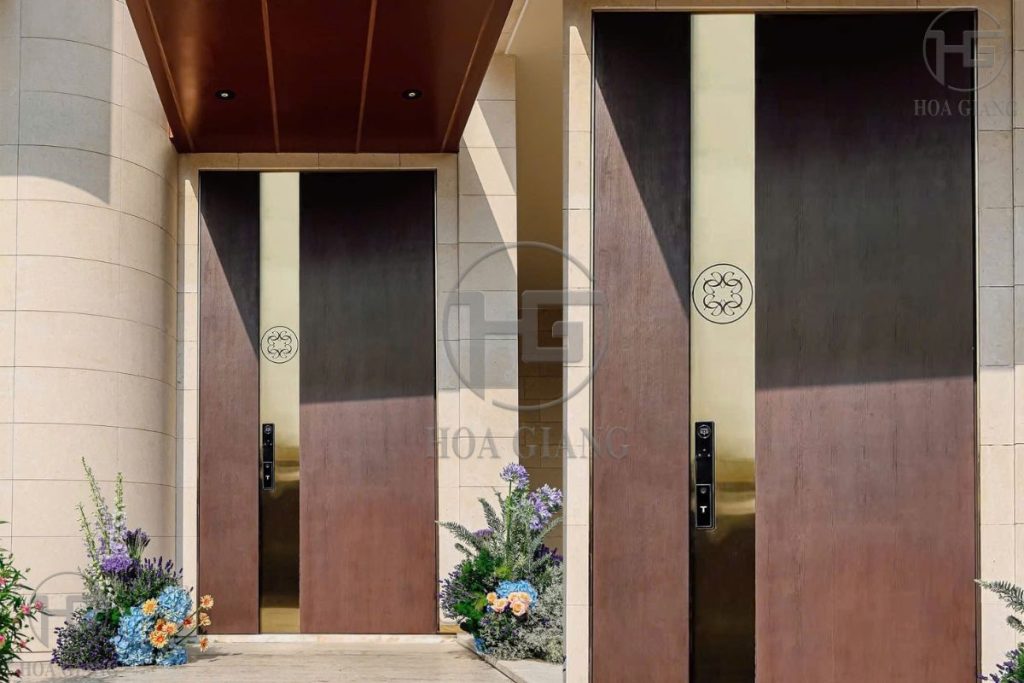
Hoa Giang is installing decorative stainless steel at The Rivus – a luxury villa project.
With its large-scale factory and modern production system, Hoa Giang can flexibly handle orders ranging from customized requests to large-scale projects, ensuring consistent delivery times and quality.
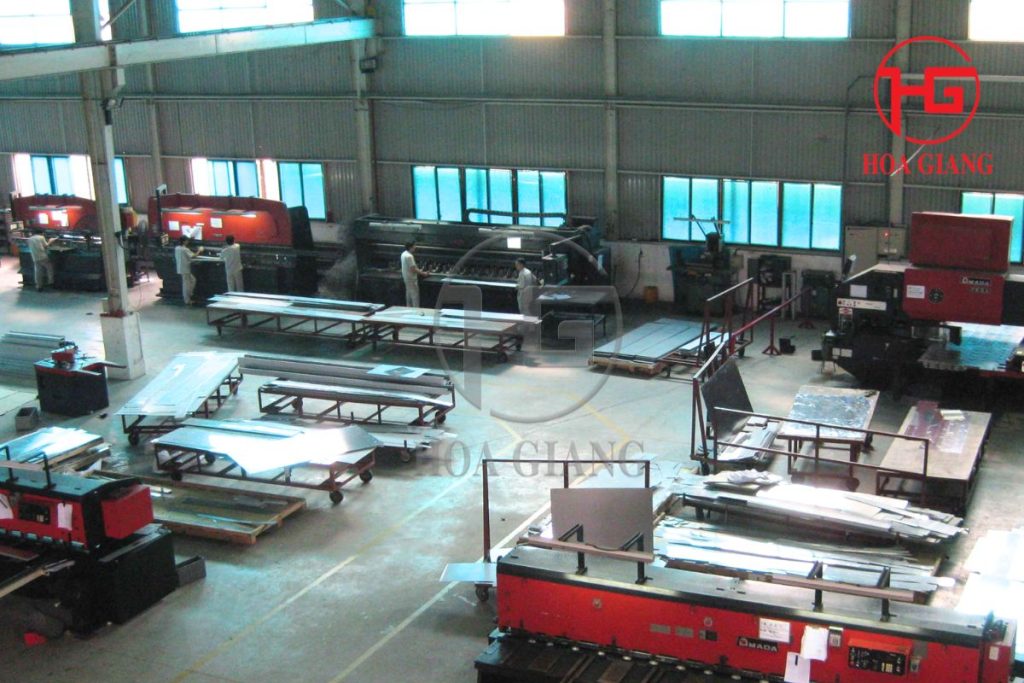
Possessing a large-scale factory and superior production capacity.
Hoa Giang’s diverse product range includes 304 stainless steel, 316 stainless steel, and many decorative stainless steel lines with hairline, mirror, sandblasted, PVD coated surfaces, and various processing solutions to serve both interior and exterior applications.
Conclude
Titanium and stainless steel are both materials with impressive durability and corrosion resistance, but each is optimized for different needs. If a lightweight material is needed, capable of withstanding harsh environments and requiring high performance, titanium is the suitable choice. Meanwhile, stainless steel offers a balance between durability, aesthetics, machinability, and cost, making it a popular solution for architecture, interior design, and many industrial fields.
Contact Hoa Giang for advice on suitable decorative stainless steel solutions and to receive a customized quote for your project.
HOA GIANG STAINLESS STEEL
Facebook: Hoa Giang Stainless Steel Group
Hotline: 0918311491 – 0949805203


